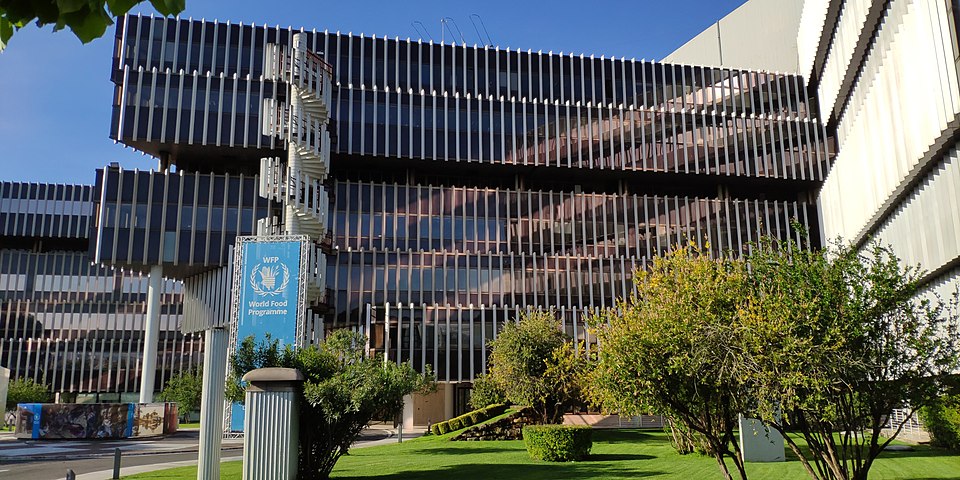
WFP warns El Niño could push 49 million more people into acute food insecurity by the end of 2027.
analysis projects the current could push at least 49 million more people into acute food insecurity by the end of 2027.
The climate pattern is expected to peak between October and December 2026, with effects on planting, harvests and food prices possibly continuing into early 2028.
WFP is urging COP31 leaders to expand financing that can be released before forecast hazards become disasters, but these mechanisms account for less than two percent of global humanitarian financing.
Between January and September, WFP provided more than 1.5 million people with assistance ahead of forecast floods, storms and droughts, backed by US$46.2 million in pre-arranged funds.
Sources 2
- GDid El Niño Peak Early?Thu 12 Nov, 7:00am↗
Gizmodo
- MEl Niño Could Cost $11 Trillion, UN WarnsMon 9 Nov, 11:00am↗
miragenews.com5 articles
4 more from miragenews.com
WFP Urges Innovative Finance to Prevent Climate Hunger CrisesMon 9 Nov, 11:00am↗Extreme Heat Expected to Persist Into Next Year, UN ReportsMon 9 Nov, 11:00am↗Western Pacific Braces for Drier Months as El Niño StrengthensThu 5 Nov, 11:00am↗El Niño Favors Quieter Southwest Indian Ocean Cyclone SeasonThu 5 Nov, 11:00am↗
The COP31 draft deal dropped fossil fuel language, while El Niño in Africa prompted Ugandan activists to demand better disaster preparedness as the phenomenon threatens their communities.
20 NovAbout
El Niño–Southern Oscillation (ENSO) is a global climate phenomenon that emerges from variation in winds and sea surface temperatures over the tropical Pacific Ocean. Those variations have an irregular pattern, but do have some appearance of cycles. The occurrence of ENSO is not easily predictable. It affects the climate of much of the tropics and subtropics, and has links (teleconnections) to higher-latitude regions of the world. The warming phase of the sea surface temperature is known as "El Niño" and the cooling phase as "La Niña". The Southern Oscillation is the accompanying atmospheric oscillation, which is coupled with the sea temperature change.
About
The World Food Programme (WFP) is an international organization within the United Nations (UN) that provides food assistance worldwide. It is the world's largest humanitarian organization and the leading provider of school meals. Founded in 1961, WFP is headquartered in Rome and has offices in 87 countries. In 2023 it supported over 152 million people, and it is present in more than 120 countries and territories.
More on Turkey · Olympic Games · Fiji · El Niño–Southern Oscillation