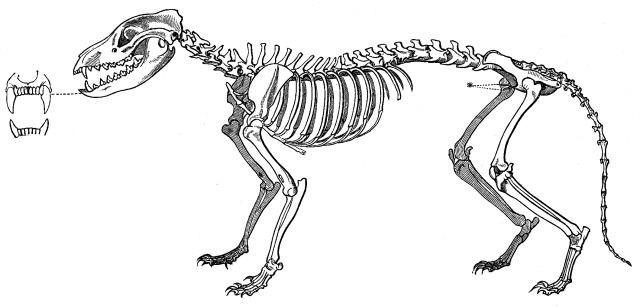
Study reinterprets Tasmanian tiger skull, challenges livestock-predator myth.
A new UniSC biomechanics study using archival footage and 4D gait analysis classifies the thylacine as an opportunistic pouncer, moving more like a fox, jackal or coyote than a grappling big cat or wolf. Published in BMC Ecology and Evolution, the work links locomotion patterns to hunting strategy across 48 predator species, refining how the Tassie tiger likely captured prey.
A -led study reinterprets the Tasmanian tiger's skull and bite, challenging long-held ideas about its hunting.
Researchers describe an oversized skull and a long, slender snout, not a typical big-predator build.
The team concludes the thylacine used high-impact snapping to catch small-to-medium prey like bandicoots.
The study, published in Nature Communications, analyzes 225 specimens from 14 mammal families to reframe skull evolution and extinction myths.
Sources 2
- MHow Tassie Tiger Outfoxed Its Prey - New UniSC Research↗
miragenews.com2 articles
1 more from miragenews.com
Jaw-dropping News On Tassie Tiger↗ - GWe Were Wrong About How the Extinct Tasmanian Tiger Hunted Its PreyTue 1 Sept, 7:05am↗
Gizmodo
About
Flinders University, established as the Flinders University of South Australia, is an Australian public research university based in Adelaide, South Australia. Founded in 1966, it was named in honour of the British navigator Matthew Flinders, who had explored and surveyed the Australian coastline in the early 19th century. Flinders University became the oldest extant South Australian university, superseding the University of Adelaide, when the latter merged with the University of South Australia to create Adelaide University in early 2026.