World Clarion-Clipperton Zone· 11d
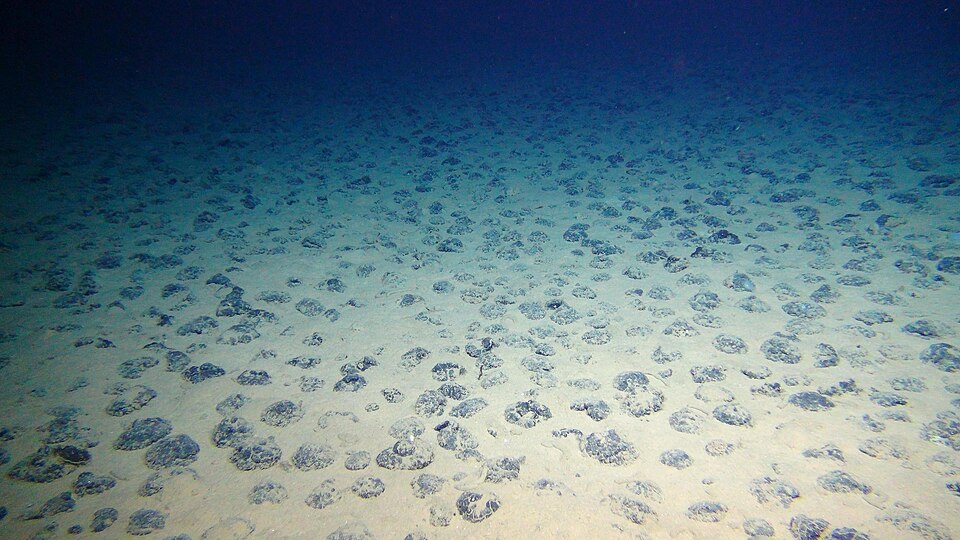
Scientists find distinct microscopic communities inside seafloor nodules.
Researchers found miniature ecosystems in the Clarion-Clipperton Zone’s nodules, where roundworms and crustaceans were the most common inhabitants.
Nodule communities from areas about 1,000 kilometers apart were more similar to each other than to nearby sediment communities.
A nodule takes millions of years to form but can be removed in minutes; if mass removal is approved, the ancient ecosystems will be irreversibly destroyed.
Sources 1
- YStrange 'Metal Potatoes' Contain a Microcosm of Life Not Seen Anywhere Else on The Seafloor, Scientists FindSun 15 Nov, 10:00pm↗
Yahoo News Content : ScienceAlert : The Best in Science News and Amazing Breakthroughs
Sources for this
- Y
new research shows that each of these strange metal potatoes contains an entire community of microscopic life unique to this habitat
↗ - Y
On cracking the nodules open, scientists found bustling ecosystems in miniature throughout the nooks and crannies
↗ - Y
Roundworms and crustaceans were the most common inhabitants
↗
Sources for this
- Y
Though it only takes minutes to pluck a nodule from the seafloor, it took millions of years for it to form
↗ - Y
If the ISA grants approval for deep-sea mining companies to take the nodules en masse, these ancient ecosystems will be irreversibly destroyed
↗
More on Germany