Researchers report possible red blood cell traces in a 115-million-year-old dinosaur bone.
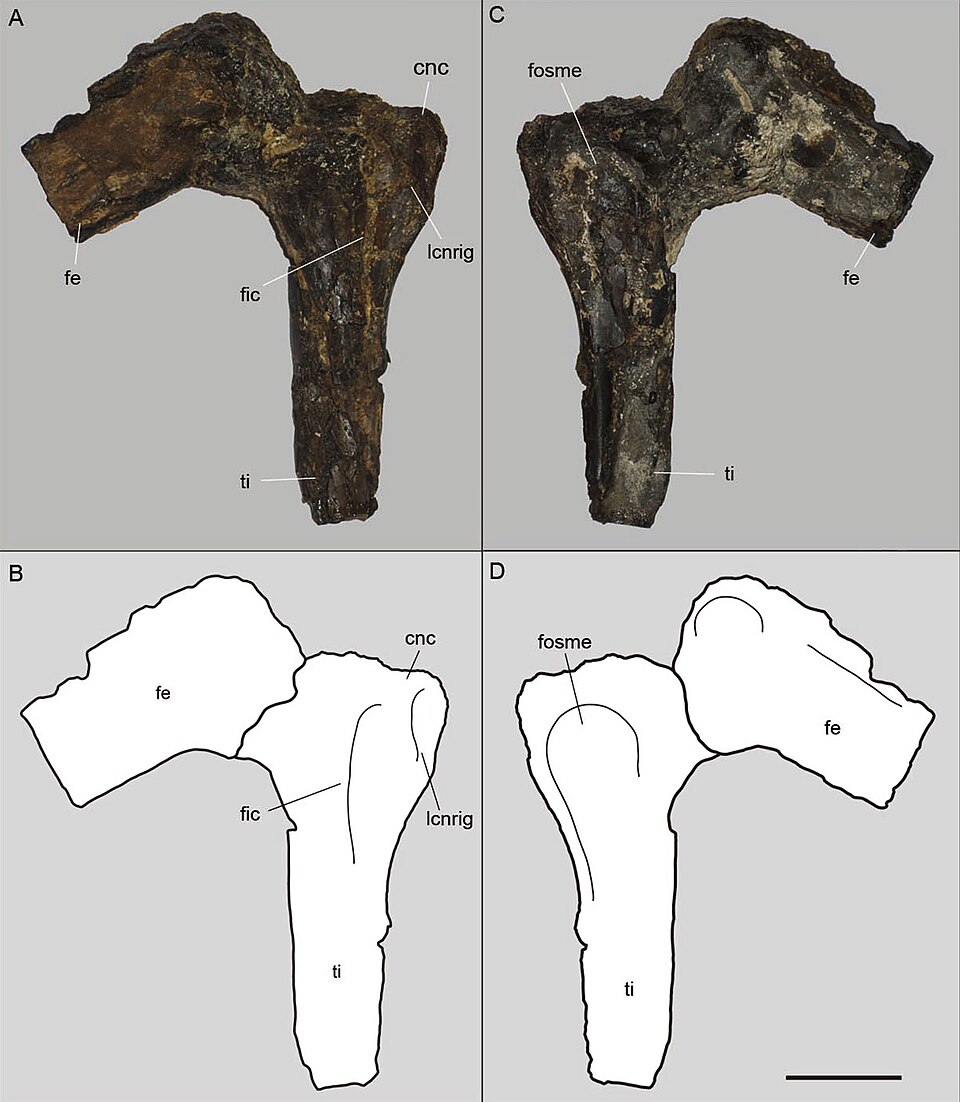
A fossilised hind limb from a small meat-eating dinosaur found in northeastern contains red-blood-cell-like structures and chemical traces of heme, a component of haemoglobin.
The structures appeared inside channels where blood vessels once ran; the surrounding sediment did not contain them. The bone extract was dominated by heme B, with a molecular signature different from the surrounding rock.
The interpretation is disputed: accepted the heme and collagen findings but said the red-blood-cell evidence was not convincing. Mauricio Barbi found the evidence for mineralised structures consistent with red blood cells convincing, but urged caution.
Tests for ancient DNA were negative. The research team says further fossils and complementary tests are needed to check the finding.
Sources 7
- YA Giant Bird Declared Extinct 150 Years Ago Was Hiding in Plain Sight↗
Yahoo News Content : ScienceAlert : The Best in Science News and Amazing Breakthroughs2 articles
1 more from Yahoo News Content : ScienceAlert : The Best in Science News and Amazing Breakthroughs
Dinosaur Blood Cells Detected in 115-Million-Year-Old FossilTue 3 Nov, 7:00am↗ - 7Traces of prehistoric blood could reveal unprecedented clues about dinosaur biology, but they have…Wed 4 Nov, 7:05pm↗
7newsadelaide
- 9Aussie-led team make landmark find fossilised in dinosaur boneWed 4 Nov, 12:38pm↗
9News
- TFossilised red blood cells found in 115m-year-old dinosaur’s bone, say scientistsTue 3 Nov, 7:00am↗
The Guardian - Australia News
- AMolecular traces from 'blood cells' found in 115-million-year-old dinosaur bonesTue 3 Nov, 7:00am↗
ABC News - Victoria Top Stories
- TTraces of dinosaur blood found in world-first discoveryTue 3 Nov, 6:59am↗
The Conversation (AU)
- MDinosaur Blood Find Alters Fossil HistoryMon 2 Nov, 11:00am↗
miragenews.com
About
Brazil, officially the Federative Republic of Brazil, is the largest country in South America. It is also the world's fifth-largest country by area and the seventh-largest by population, with over 214 million people. Brazil is a federation composed of 26 states and a Federal District, which hosts the capital, Brasília. Its most populous city is São Paulo, followed by Rio de Janeiro. Brazil has the largest Lusophone population in the world and is the only Portuguese-speaking country in the Americas, where it is the official language.
About
Mary Higby Schweitzer is an American paleontologist at North Carolina State University, who led the groups that discovered the remains of blood cells in dinosaur fossils and later discovered soft tissue remains in the Tyrannosaurus rex specimen MOR 1125, as well as evidence that the specimen was a pregnant female when she died.
More on United States · France · Japan · Germany