Newcastle· 20d
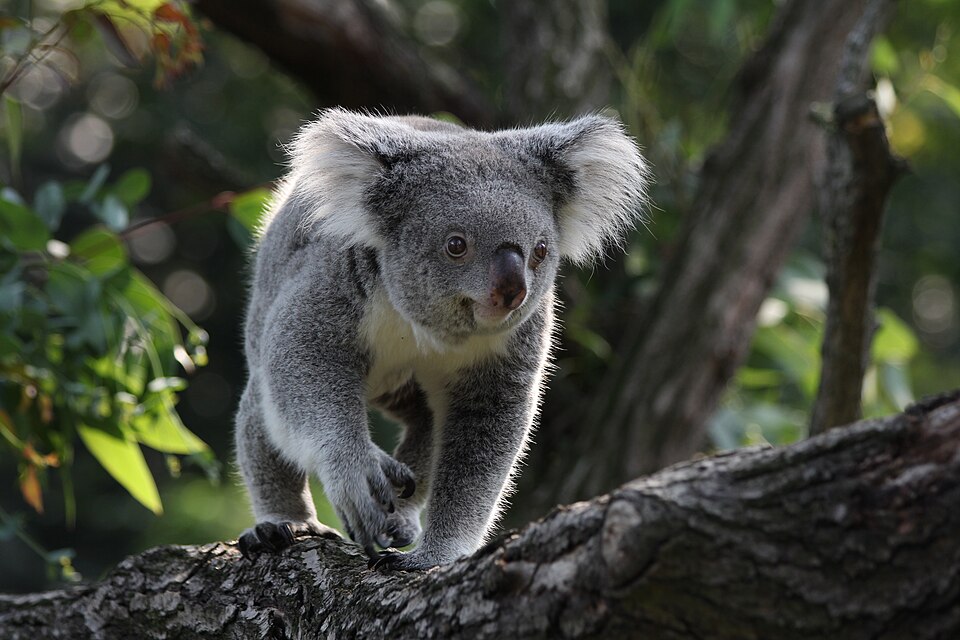
Researchers find no chlamydia evidence in 27 koalas among 2,337 estimated near Newcastle.
Researchers found no evidence of chlamydia in samples from 27 wild koalas near Newcastle.
The 2026 population estimate was about 2,337 koalas, far higher than the earlier estimate of only a few hundred.
The results do not prove every koala is disease-free; researchers also noted that koalas are moving west of the Pacific Highway, where they could contact infected populations.
Sources 4
- NSugarloaf koalas are bucking the trendSun 8 Nov, 12:46pm↗
Newcastle Weekly
- AThriving koala population near major NSW city could be chlamydia-freeThu 5 Nov, 1:06pm↗
ABC News - Victoria Top Stories
- NHow a 'secret' super colony of Hunter koalas living in our backyards defied the odds (and chlamydia)Thu 5 Nov, 11:30am↗
Newcastle Herald - Local News
- MSugarloaf Koalas Chlamydia-Free as Population SurgesWed 4 Nov, 11:00am↗
miragenews.com
Sources for this
- A
More than 2,000 koalas are believed to be living in the Sugarloaf-Stockrington State Conservation Area, a 35-minute drive from the city's CBD
↗ - M
The University of Newcastle-led research estimates the broader western Lower Hunter landscape supports approximately 2,337 koalas
↗ - A
We found 27 wild koalas without any evidence of chlamydia at the time of testing
↗ - N
samples collected from 27 koalas in the population returned no evidence of chlamydia
↗ - M
Researchers found no evidence of active chlamydia in samples from 27 wild koalas
↗
Sources for this
- N
While it's impossible to prove that every koala in the population is disease-free, our results suggest chlamydia is either absent or occurring at very low levels
↗ - M
While it's impossible to prove that every koala in the population is disease-free, our results suggest chlamydia is either absent or occurring at very low levels
↗ - A
Evidence supports that they are pushing out west of the Pacific Highway, which puts them at risk of contacting other populations with disease," he said
↗