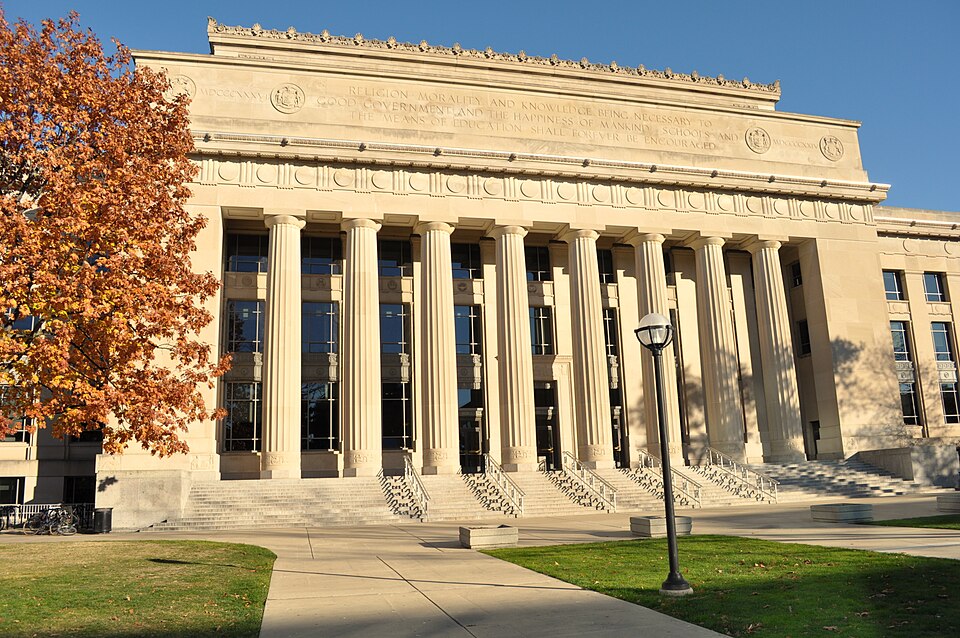
New Michigan study finds polarization depends on how questions are asked.
A new Nature Communications study led by King’s College London warns that common narratives about polarization are distorted by a US-centric research bias, risking misapplied policies abroad—especially around AI and social media. It argues political antagonism isn’t universally one-dimensional and calls for a more global evidence base to understand and address polarization.
A new analysis questions how polarized Americans are. It argues the answer depends on affective polarization and how questions are framed.
It finds the measured gap grows when people are asked about politicians in the other party, and shrinks when asked about everyday voters.
The researchers base their conclusions on ANES data from the American National Election Studies. The paper's authors include James Druckman, Samara Klar, and Matthew Levendusky.
The results imply that public-polarization headlines may reflect survey wording more than real divides, and call for careful survey design in future work.
Sources 1
- MWorld Less Polarised, It's America Problem↗
miragenews.com2 articles
1 more from miragenews.com
Unveiling Truths of Political Polarization↗
The University of Michigan is a public research university in Ann Arbor, Michigan, United States. It was founded in 1817 and is the oldest institution of higher education in the state. It is one of the earliest American research universities and is a founding member of the Association of American Universities.