tobacco farming rises as global production falls.
A new analysis shows 's tobacco-leaf production is rising even as global tobacco output falls. Africa accounted for around 11% of global tobacco-leaf production in 2024.
East Africa alone accounts for nearly 90% of Africa's tobacco-leaf production. Zimbabwe, Malawi, Tanzania, Mozambique and Uganda remain the continent's top producers.
Tobacco farming exposes workers to serious health risks, including green tobacco sickness and pesticide exposure. It also drives soil degradation, deforestation and high water use.
The WHO urges countries to pursue diversification away from tobacco and align trade and development policies with health goals. It calls for stronger support to farmers and to enable alternatives that reduce tobacco-related health and economic burdens.
Sources 1
- MAfrica Tobacco Farming Rises Amid Global Drop↗
miragenews.com
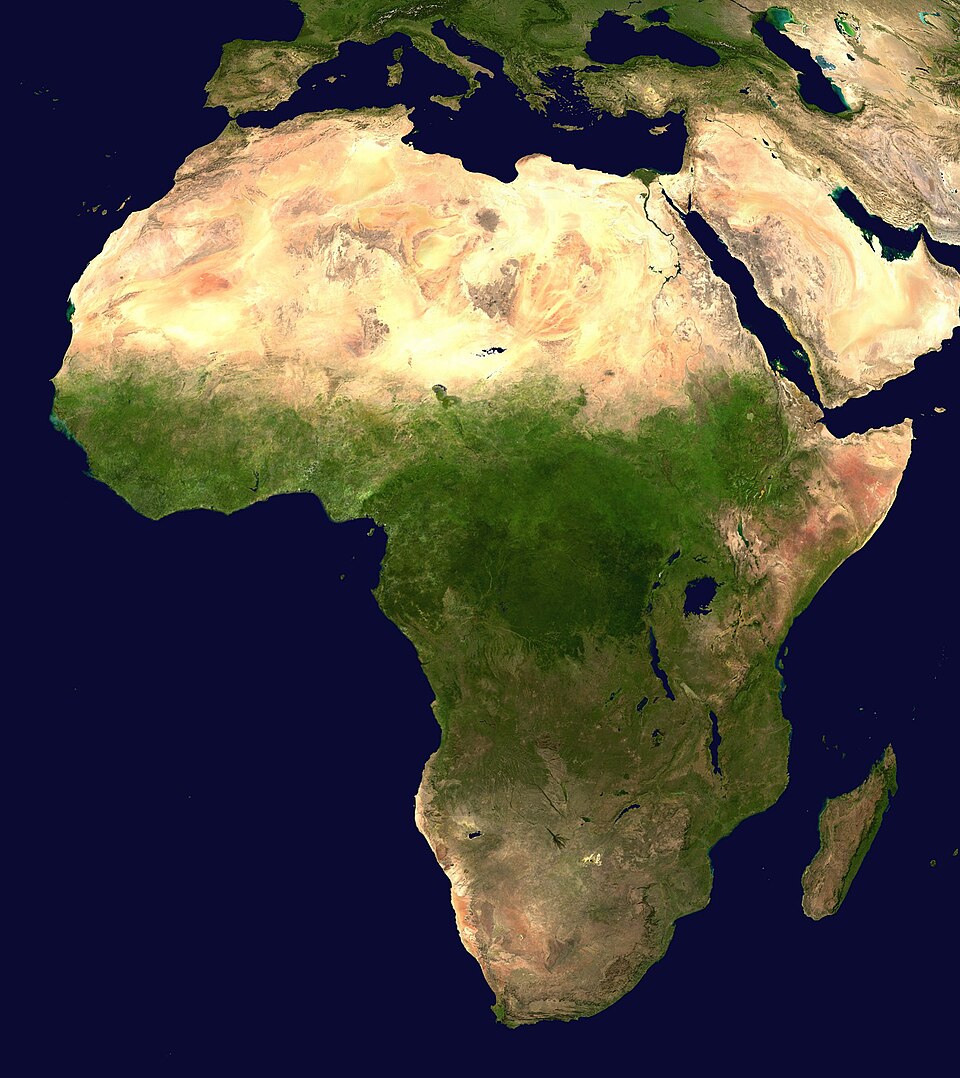
Africa is the world's second-largest and second-most populous continent after Asia. At about 30.3 million km2, including adjacent islands, it covers around 20% of Earth's land area and 6% of its total surface area. With nearly 1.4 billion of the world's population, Africa's population is the youngest among the continents; the median age in 2012 was 19.7, when the worldwide median age was 30.4. Based on 2024 projections, Africa's population will exceed 3.8 billion people by 2100. Africa is the least wealthy inhabited continent per capita and second-least wealthy by total wealth, ahead of Oceania. Scholars have attributed this to various factors including geography, climate, corruption, colonialism, the Cold War, and neocolonialism. Despite this low concentration of wealth, the African economy is home to many of the world's fastest-growing economies.
The World Health Organization (WHO) is a specialized agency of the United Nations (UN) which coordinates responses to international public health issues and emergencies. It is headquartered in Geneva, Switzerland, and has six regional offices and 150 field offices worldwide. Only sovereign states are eligible to join, and it is the largest intergovernmental health organization at the international level.